How to Choose a Dehumidifier
Is your home damp, musty, or consistently humid? A dehumidifier can help remove excess moisture from the air and maintain a more comfortable indoor environment. But with so many sizes and types of dehumidifiers available, how do you choose the right one?
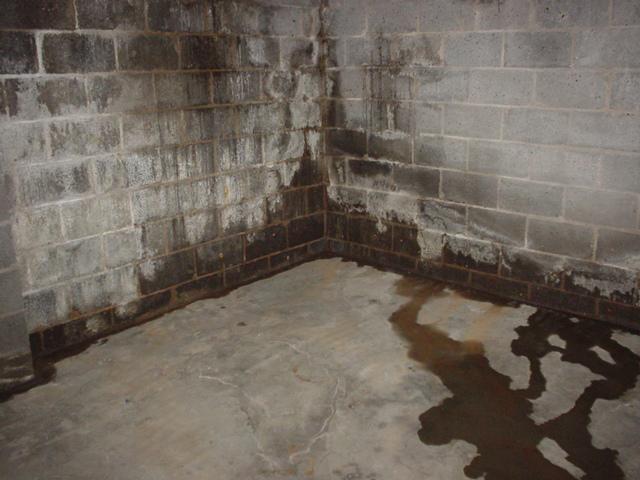
Excess moisture can contribute to mold and other basement problems. Waterproofing can prevent water intrusion, while dehumidification helps control indoor moisture.
The best dehumidifier depends on where you'll use it, how much moisture is present, the space's temperature, how the unit will drain, and how continuously it needs to operate.
Dehumidifiers are commonly used in areas of the home where humidity tends to be higher, including basements, crawl spaces, bedrooms, and other living areas. If you're looking for a dehumidifier for a basement, the space's conditions are especially important to consider because basements are naturally more susceptible to excess moisture.
TL;DR: How to Choose a Dehumidifier
The right dehumidifier depends on the space's size and moisture level, operating temperature, drainage, and features. For a consistently damp basement, look for a high-capacity unit designed for low-temperature operation with automatic humidity control and drainage. A portable unit may work for smaller or occasional humidity problems, while a professionally installed system may be a better choice for larger spaces that need continuous moisture control.
Do I Need a Dehumidifier?
A space doesn't need to have standing water to have a humidity problem. High humidity can be difficult to notice until you begin seeing signs of excess moisture.
You may need a dehumidifier if you notice:
- A damp or clammy feeling in the air
- Musty odors
- Condensation on windows, pipes, or other cool surfaces
- Relative humidity consistently above 60%
- Recurring mold or mildew
- Moisture that becomes more noticeable during warm, humid weather
The Environmental Protection Agency recommends keeping indoor relative humidity between 30% and 60% to help prevent mold growth.
If humidity remains consistently high, a dehumidifier can remove moisture from the air and help maintain a more appropriate humidity level.
Why Do Basements Often Need Dehumidifiers?
Basements are one of the most common places to use a dehumidifier because they're naturally more susceptible to excess moisture.
A basement is surrounded by cooler soil, and moisture can enter through foundation walls and floors. The cooler temperatures found in many basements can also cause humid air to condense on cool surfaces.
Common sources of basement moisture include:
- Moisture entering through the foundation walls or floors
- Condensation
- Humid outdoor air
- Plumbing leaks
- Poor drainage around the foundation
Even when there isn't an obvious leak, moisture can accumulate in the air and contribute to musty odors, mold, mildew, and damage to building materials.
A dehumidifier controls moisture in the air, but it does not stop water from entering a home. Active leaks, seepage, or standing water should be addressed separately.
What to Consider When Choosing a Dehumidifier
Once you've determined that you need to control humidity, consider these factors when choosing a dehumidifier.
Choose the Right Capacity
Dehumidifier capacity refers to the amount of moisture a unit can remove from the air under specified testing conditions.
Square footage is an important consideration, but it isn't the only factor. A space with mildly elevated humidity has different needs from a similarly sized space that is consistently damp.
Consider:
- The size of the space
- How humid or damp it is
- How frequently the humidity problem occurs
- Whether there are ongoing moisture sources
An undersized dehumidifier may struggle to maintain the desired humidity level, particularly in a large or very damp space.
Consider the Operating Temperature
Temperature can be an important consideration when choosing a dehumidifier, particularly for areas such as basements and crawl spaces.
Some portable dehumidifiers aren't designed to operate efficiently in cooler conditions. Frost can develop on the coils, reducing performance or causing the unit to shut down.
If the dehumidifier will operate in a cool area, look for a unit designed for low-temperature operation. Automatic defrost can also help prevent frost buildup and keep the unit operating effectively.
Consider How the Unit Will Drain
Dehumidifiers collect the moisture they remove from the air, so that water needs to be drained.
Many portable units collect water in a bucket that must be emptied periodically. Some can be connected to a drain hose for continuous drainage.
For a dehumidifier that needs to operate continuously, automatic drainage can be a major convenience. A condensate pump can move collected water to a sink, drain, or sump system when gravity drainage isn't possible.
If you don't want to empty a collection bucket regularly, look for a unit with a continuous drainage option.
Look for Automatic Humidity Control
An automatic humidistat monitors relative humidity and turns the dehumidifier on and off as needed.
This allows the unit to maintain the humidity level you've selected rather than running continuously. Automatic humidity control is particularly useful when humidity levels fluctuate with seasonal and weather conditions.
Consider Other Useful Features
Depending on where the dehumidifier will be used, several additional features may be beneficial.
- Automatic defrost: Helps prevent frost from interfering with operation in cooler temperatures.
- Automatic restart: Allows the unit to resume operation after a power outage.
- Air filtration: Helps capture dust and other particles as air passes through the unit and protects its internal components.
These features can be especially useful when choosing a dehumidifier for a basement because the unit may need to operate continuously in a cool, damp environment.
DIY Portable vs. Professionally Installed Dehumidifiers
A portable dehumidifier may be appropriate when humidity is limited to a smaller area or the problem is occasional. Portable units are readily available and can be moved as needed.
However, portable units can require more hands-on maintenance. Depending on the model and setup, you may need to empty a collection bucket, manage a drain hose, or monitor the unit regularly. Some also aren't designed to operate efficiently in cooler temperatures.
A large-capacity, professionally installed dehumidifier may be a better choice when humidity is persistent or when a larger area requires continuous moisture control.
These systems can offer:
- Higher moisture-removal capacity
- Low-temperature operation
- Automatic humidity control
- Automatic drainage
- Built-in condensate pumping
- Automatic defrost
- Continuous operation with less hands-on maintenance
This type of system can be particularly well-suited to a large, consistently damp basement where a portable unit may require frequent attention.

The SaniDry Sedona: Built for Basement Moisture Control
The SaniDry Sedona is a large-capacity dehumidifier designed for continuous moisture control in basements and other areas where excess humidity is a concern.
The system is designed to operate in the cooler temperatures commonly found in basements and includes features that support continuous operation, including:
- Low-temperature operation
- Automatic humidity control
- Automatic defrost
- Automatic drainage
- Internal condensate pump
- Air filtration
The internal pump and automatic drainage allow the system to continuously remove moisture without requiring homeowners to regularly empty a collection bucket.
SaniDry Sedona dehumidifiers are installed by authorized Basement Systems dealers. Because the appropriate dehumidification system depends on the size, temperature, and moisture conditions of the space, a local dealer can evaluate your home and recommend the appropriate solution.
Why Not to Use a Dehumidifier to Solve Water Intrusion
A dehumidifier can control indoor humidity, but it should not be used as a substitute for addressing active water intrusion.
If water is entering through foundation walls or floors, plumbing leaks, or drainage problems, the source of the water needs to be addressed.
Once water intrusion has been resolved, dehumidification can help control the moisture that remains in the air.
You can also help reduce excess moisture by:
- Keeping gutters and downspouts clear
- Directing downspouts away from the foundation
- Making sure the ground slopes away from the foundation
- Avoiding excessive watering near the foundation
- Properly venting clothes dryers to the outside
- Using exhaust fans in kitchens and bathrooms
- Addressing plumbing leaks promptly
Frequently Asked Questions
What size dehumidifier do I need?
The appropriate capacity depends on both the size of the space and the amount of moisture it contains. A consistently damp space may require more capacity than a similarly sized space with only slightly elevated humidity.
What is the best dehumidifier for a basement?
The best dehumidifier for a basement depends on the space's size, moisture level, and temperature. A portable unit may be sufficient for a small or occasional humidity problem, while a large-capacity system designed for low-temperature operation and continuous drainage may be a better choice for a large or consistently damp basement.
Can a dehumidifier work in a cold space?
Some dehumidifiers are specifically designed for low-temperature operation. If the unit will be used in a cool basement or crawl space, look for a system designed to operate effectively at lower temperatures and equipped with automatic defrost.
Can a dehumidifier get rid of a musty smell?
A dehumidifier can help reduce musty odors caused by excess humidity. However, it won't eliminate odors caused by active water intrusion, mold, or another underlying moisture problem. Those sources need to be addressed separately. If you're dealing with a persistent odor, learn more about how to get rid of a musty basement smell.
Can a dehumidifier prevent mold?
Controlling excess humidity can help create conditions less favorable to mold growth. However, a dehumidifier won't remove existing mold or stop water from entering the home.
What humidity level should I maintain?
The EPA recommends maintaining indoor relative humidity between 30% and 60%. If humidity consistently exceeds 60%, dehumidification may help bring it back into a more appropriate range.
Get the Right Dehumidifier for Your Home
Not sure what type or size of dehumidifier is right for your space? A local Basement Systems dealer can evaluate your home's moisture conditions and recommend the appropriate humidity control solution.
Schedule a Free Consultation with an authorized Basement Systems dealer near you.
Updated: August 27, 2026
