
Before & After Photos
Click on a photo to enlarge.
Installing a Sump Pump in North Adams, MA


This homeowner in North Adams, MA called us initially with concerns about her insulation. When our Home Comfort Specialist arrived, he also noted the inadequate, open-pit sump pump she had installed next to her stairs in her basement.
We were able to help this homeowner. We removed her old, inadequate sump pump and installed a TripleSafe™ sump pump system. This system features three pumps to prevent the homeowner's basement from flooding. The first pump is a 1/3 hp, cast iron Zoeller pump that can pump up to 2200 gallons per hour, 8 feet high. Should the first pump fail or not be able to keep up with the temporary flow of water, a 1/2 hp AC back-up pump on a separate discharge line can pump 3,900 gallons of water per hour. If the power fails, then a third, battery operated "UltraSump" pump automatically pumps up to 12,000 gallons of water. It is the perfect solution for basements that may become wet - especially this homeowners. Plus, there is now an airtight cover for their sump pump, which prevents moisture and odors. They now will be able to have a more comfortable home!
Replacing leaky Basement Windows in Colebrook, CT


This home owner in Colebrook, CT called us to his home to see if we could fix his water problem. The problem was that his basement windows were old and let water leak right into the home!
To fix this we replaced the old basement window with beautiful new slider windows. Making sure that the window is installed properly and caulked correctly.
Now that Dr Energy Saver by Eco Energy Solutions have completed this install, this home owner will not have to worry about leaky basement windows ever again!
Replacing a Duct for a Bath Fan in Colebrook, CT


This homeowner in Colebrook, CT called us looking for help with her home. She purchased a home that was built around 200 years ago, and it was very cold and was lacking proper insulation. The homeowner decided to move forward with removing and replacing the insulation in her home. When our installation began, we removed the insulation. That is when we found that the duct for the bath fan -- which had been hidden by insulation -- needed to be replaced. It had been crushed and was detached from the bath fan, sending the moisture from the bathroom directly into the attic insulation. This was likely what was causing a mold issue they had been dealing with.
We were able to help this customer! We replaced the duct for the bath fan with one of our insulated ducts. We ducted this out in the same place as the old one -- the gable end wall of the attic. Now, they will not have moisture invading their attic, and they no longer have a crushed duct!
Reducing Ice Damming in Hinsdale, MA


This customer called us out in regards to a problem he was having in his home. The problem was that this mobile home had a lot of ice damming in the winter. ice damming can severely damage your home! Ice dams occur after heavy snowfall when warm air in the attic causes the roof to warm and the snow to melt due to poor insulation. To fix this, we have to first remove all of the old fiberglass batting insulation that is not doing its job. We properly bag and dispose of those materials. Now its time to air seal. We air seal all accessible penetrations, end plates and top plates where air can leak from your home into your attic. This is done with our two part foam. Next, our TruSoft cellulose insulation is blown in the attic to get our optimum R-value of R60. With this we fill all of the gaps and odd shaped voids so that thermal bridging is avoided. Thanks to Dr. Energy Saver by Eco Energy solutions this happy customer can live comfortable without ice damming this winter!
Encapsulating a Crawl Space in Hinsdale, MA
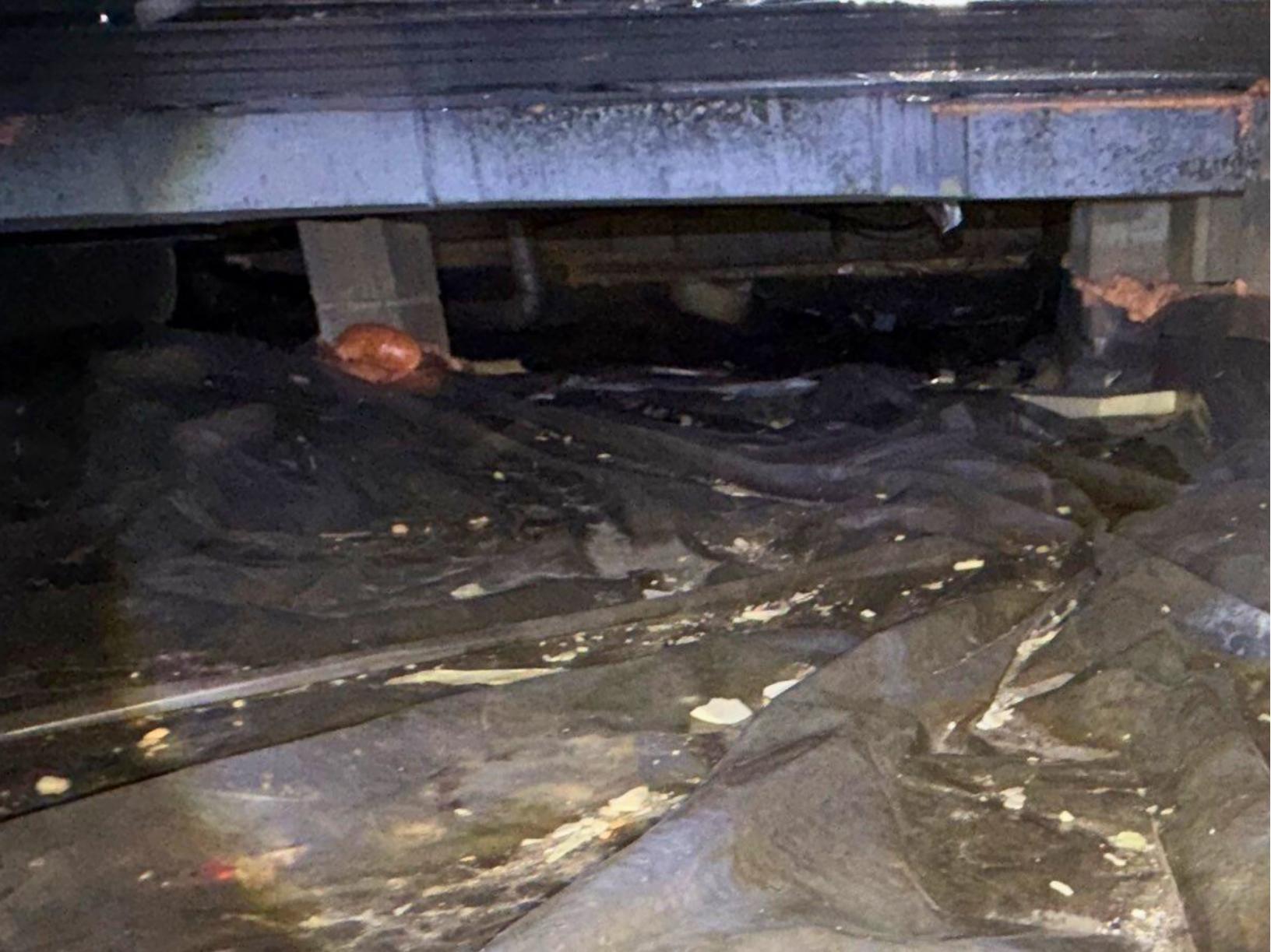
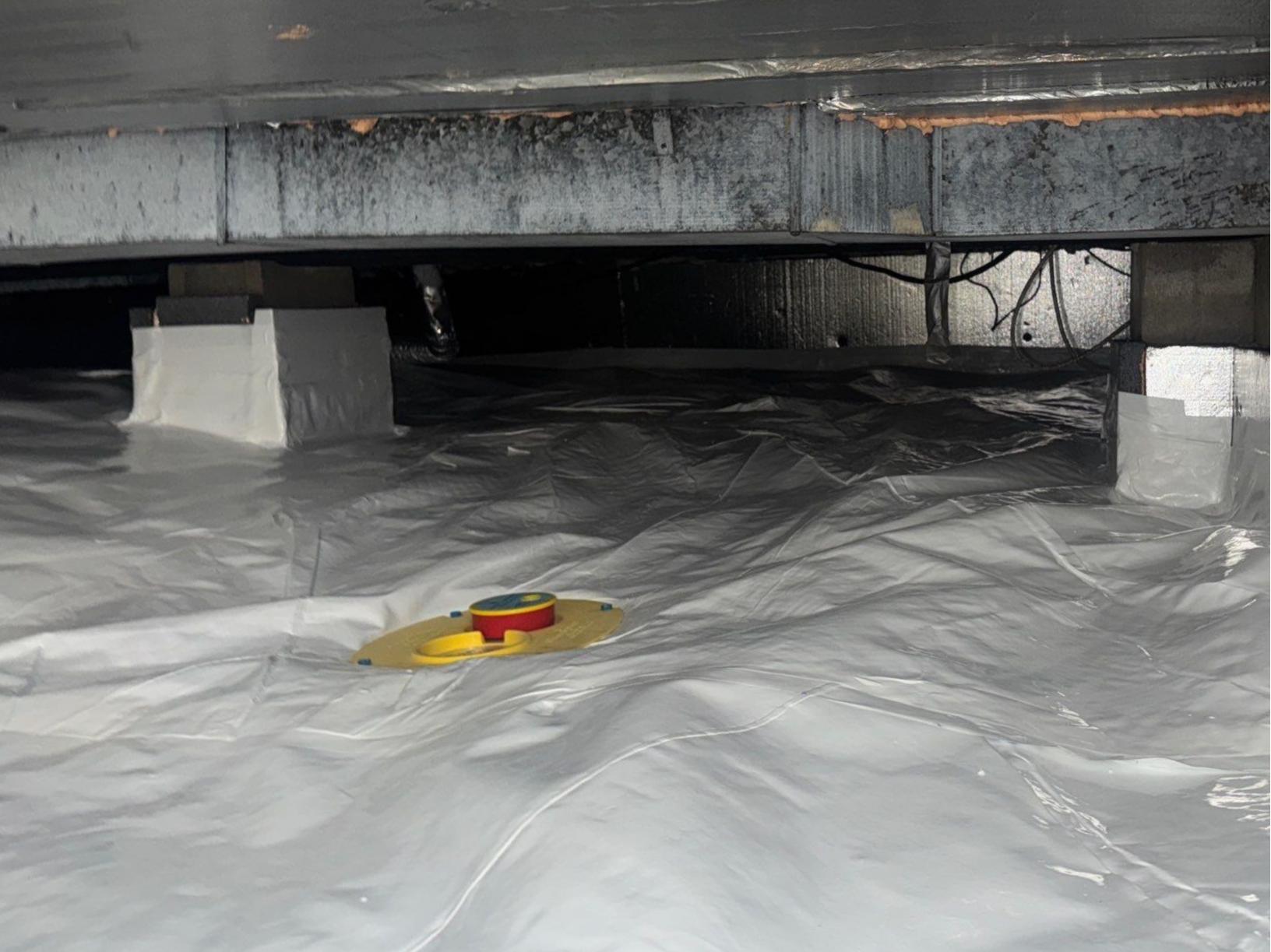
This homeowner in Hinsdale, MA called us looking for information on installing a dehumidifier in a crawl space of a home he was planning to purchase. He stated that he needed the dehumidifier in order to have the home insured. Once he had purchased the home, our Home Comfort Specialist came out to evaluate the crawl space. The home had a humidity and moisture problem. It also had a strong musty odor.
We were able to help this customer! One of the solutions we utilized was our CleanSpace™ crawl space encapsulation system. We first insulated the walls using our SilverGlo™ foam insulation. For the floor, we added a dimpled drainage mat to create a thermal break. We then installed TerraBlock™ floor insulation on top of that. Then, we installed a CleanSpace™ crawl space encapsulation liner over that insulation. We fastened it into both the walls and floor to create a permanent solution for this crawl space. We then added two-part expanding spray foam to the rim joist to ensure that the crawl space was covered. Combined with our other solutions, this homeowner will experience less drafts, warmer floors, lower energy bills, and a much more comfortable home!
