Before & After Photos
Click on a photo to enlarge.
Bouncy Floor Stabilizer in Taylorsville, NC


This homeowner faced bouncy floors above their crawl space. To permanently lift and stabilize the floor to its even position, we installed our SmartJack System.
Uneven Floor Repair in Wilkesboro, NC

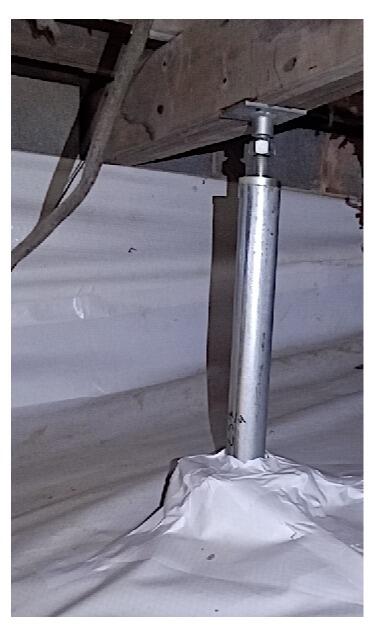
We installed our SmartJack system to stabilize the customer's uneven floor above their crawl space to provide reliable support and prevent further settling or sagging, ensuring a level and secure foundation.
Concrete Repair in North Wilkesboro, NC


This back patio was sinking down and experiencing cracking and displacement. We solved this problem by installing exterior PolyLevel, a system that permanently lifts and stabilizes sinking concrete. Then, we sealed everything off with the silicone-based sealant, NexusPro.
Foundation Settlement Repair in Traphill, NC


Using our foundation pier system, we successfully stopped this customer's home from further settlement. This system utilizes steel piers driven deep into the ground to reach stable soil layers, providing a solid support structure for the foundation. By transferring the weight of the home to these piers, we were able to prevent any additional sinking or shifting. This method not only stabilizes the foundation but also helps to restore the home's structural integrity, ensuring long-term stability and peace of mind for the homeowner.
Sagging Floors in Ronda, NC


Due to the amount of moisture inside of this crawl space, the floors above were sagging down. Our hard working crew waterproofed the area by installing a full CleanSpace encapsulation. Then, they permanently stabilized and lifted the sagging floors with SmartJacks. Another crawl space saved and another satisfied customer!
