Before & After Photos
Click on a photo to enlarge.
Basement Support Posts Installed in Jamestown, OH
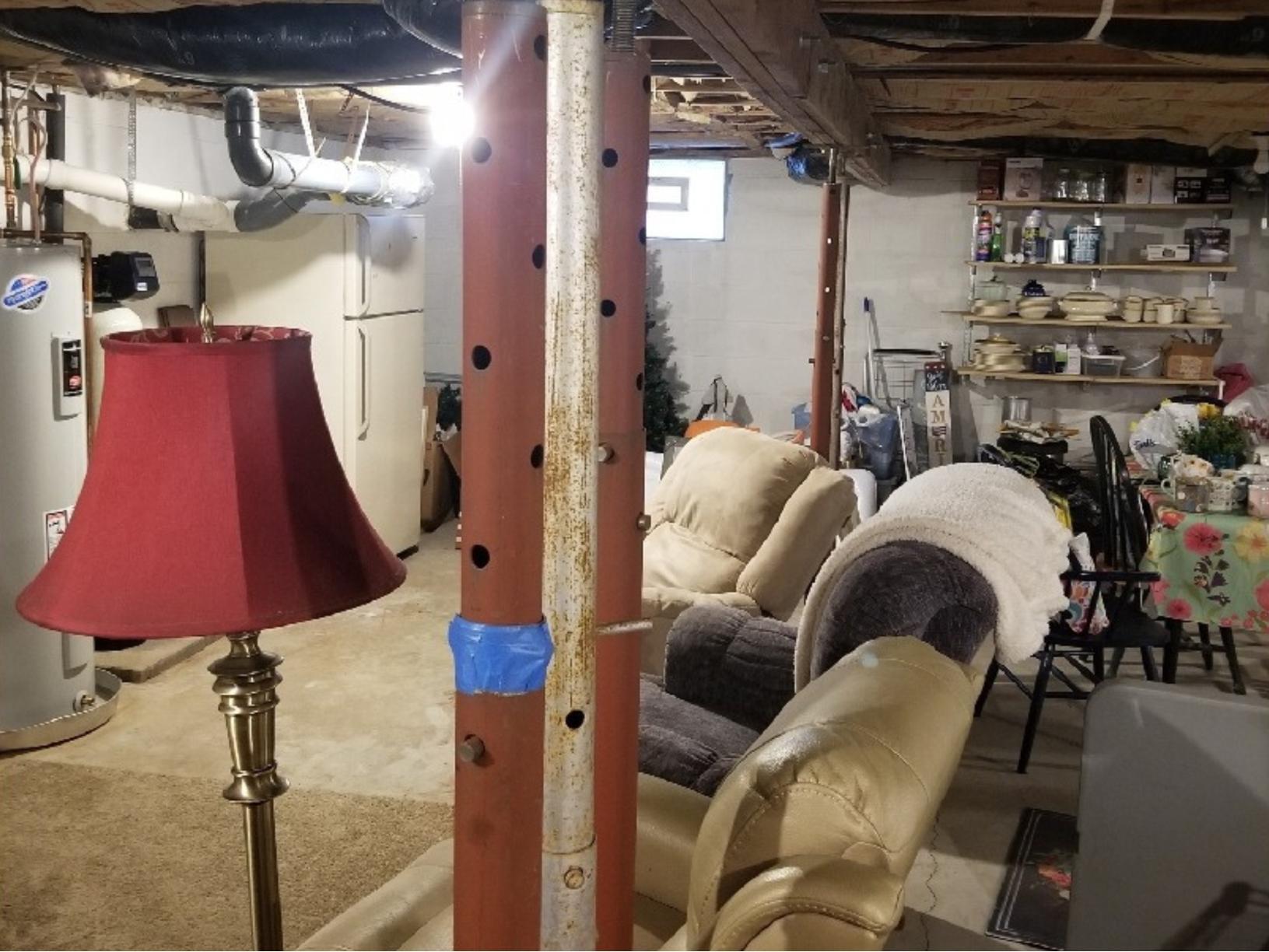
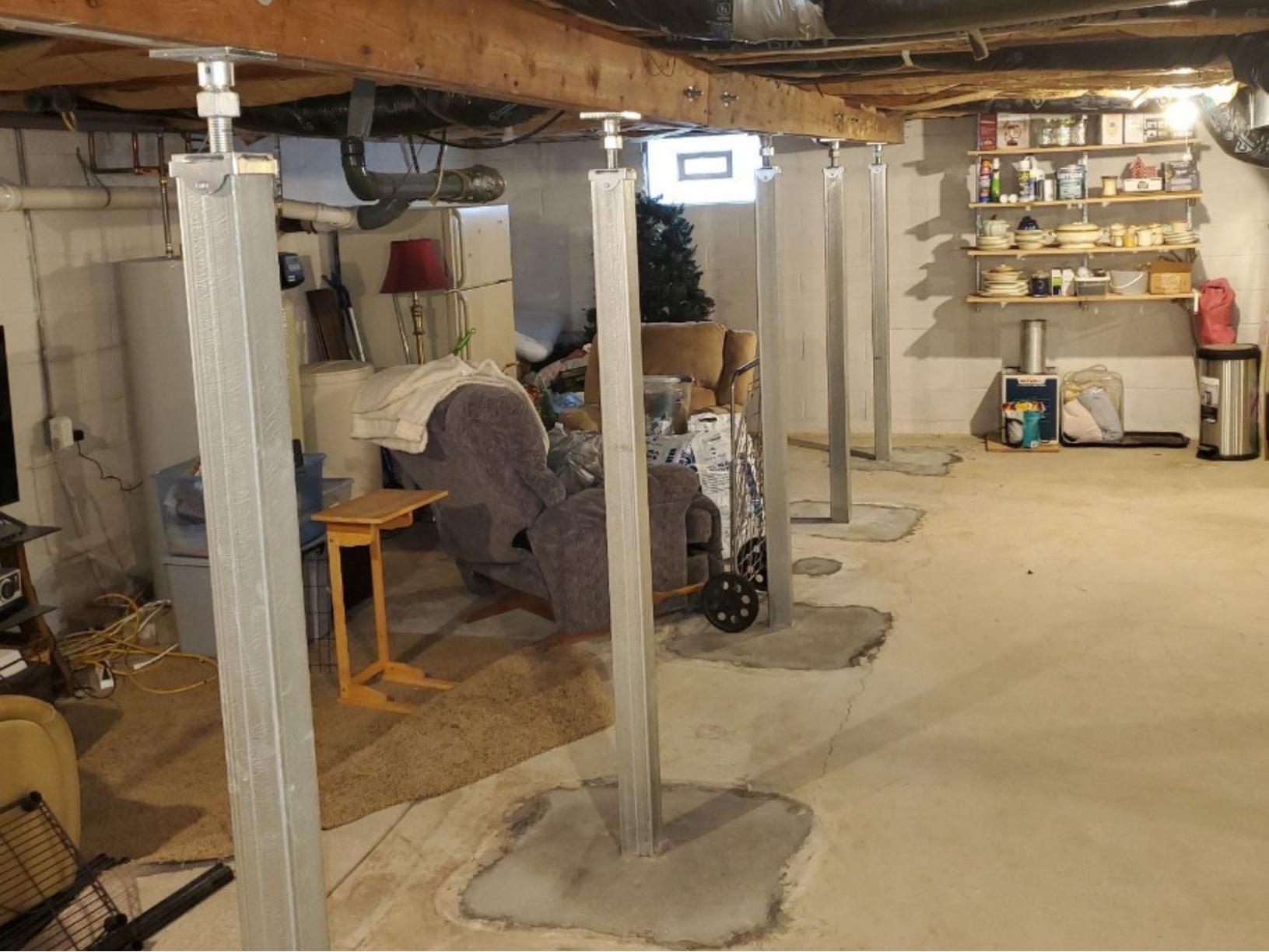
In Jamestown, OH, a homeowner faced structural issues due to failing lally columns in their basement. The original steel columns showed rust and deterioration, contributing to uneven floors and minor wall cracks. To address this, we replaced them with our SmartJack posts, which are galvanized for corrosion resistance and engineered to support substantial loads. Unlike traditional lally columns, SmartJack posts are fully adjustable, allowing precise leveling and long-term stability. This upgrade not only stabilized the basement immediately but also gave the homeowner a durable, adaptable solution they can rely on for years to come.
Foundation Repair Company in Lawrenceburg, IN
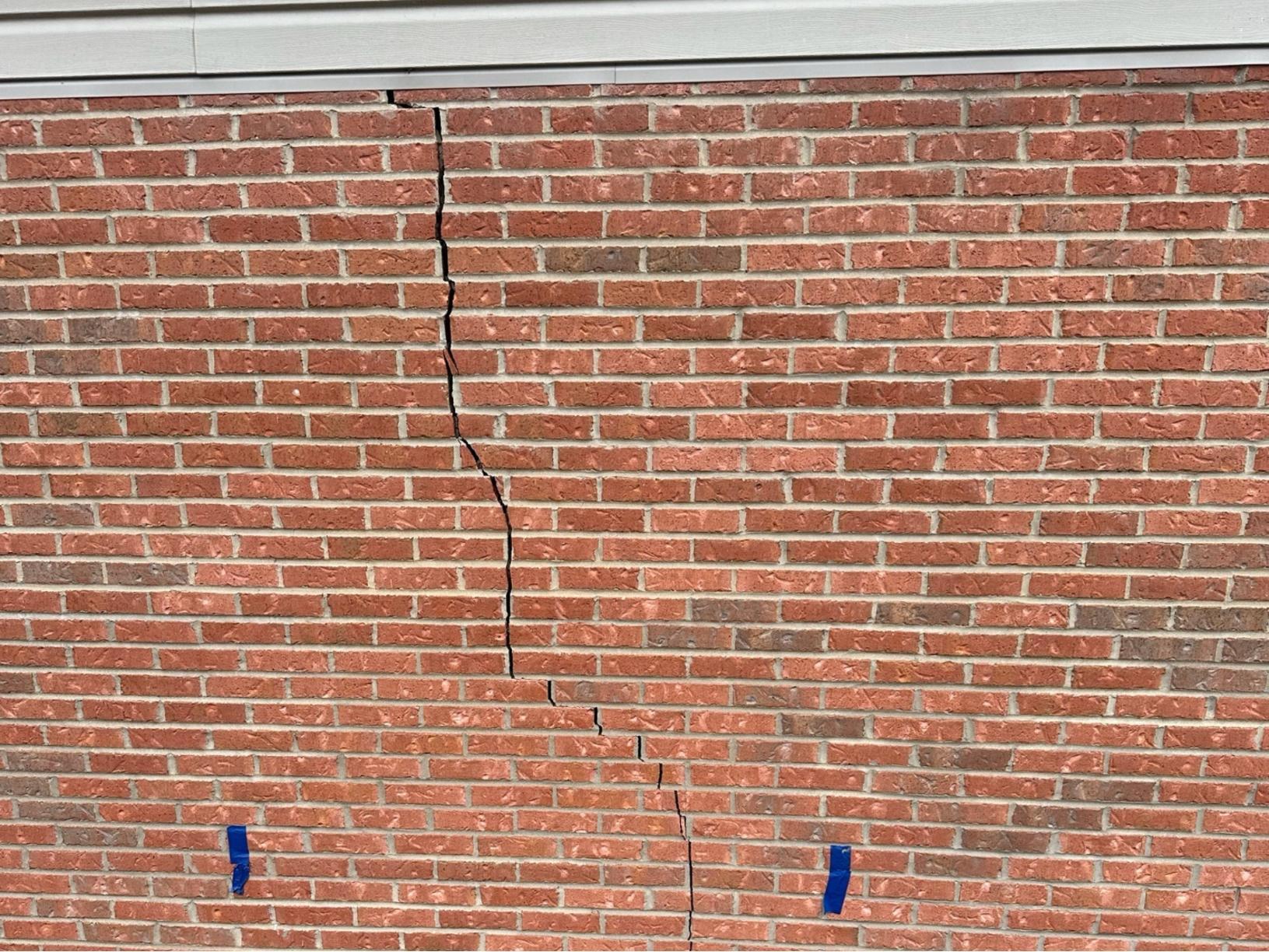
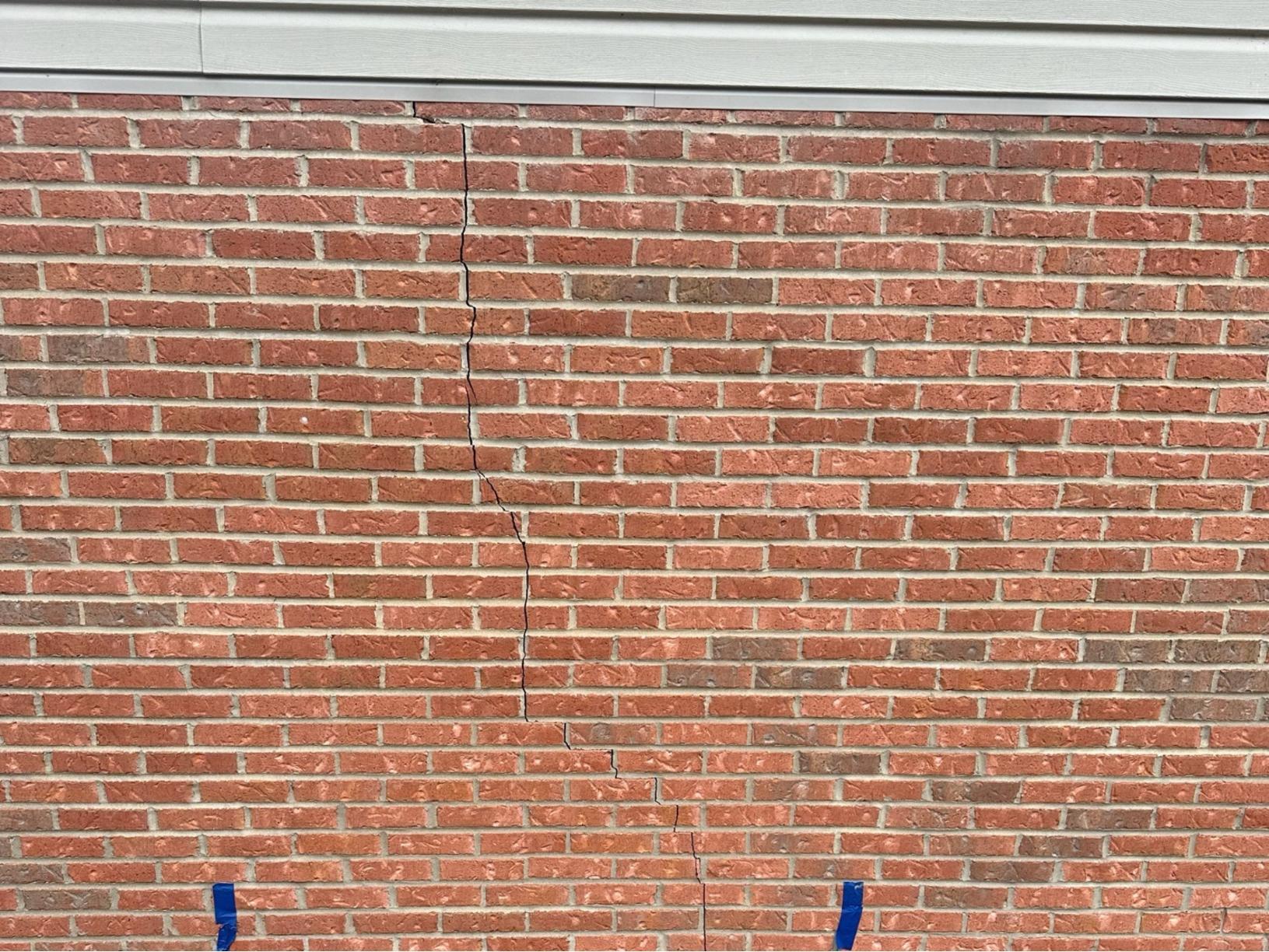
This home in Lawrenceburg, IN, near the Hidden Valley lake, had a settling foundation. Parts of the home were sinking into troubling soil, causing many cracks to appear in the brick siding, including the large one seen in this photo set. We stabilized the foundation by underpinning the footing with steel helical piers. Our helical piers are shaped like a screw, and they drive deep into the earth until they reach load-bearing strata, (soil that won't ever move). We then transfered the weight of the foundation to the piers by securing brackets that latch onto the piers and underneath the footing of the foundation. After we transfer the weight, we can then get into the real magic, as seen by this before and after set. We can then attempt to lift a foundation back up by using hydraulic fluid, which can close gaps and cracks in the home. If you look closely at the difference between the depth of the crack before and after we lifted the foundation, you can notice we shrunk it significantly. The project left the home stabilized, the cracks closed, and the doors and windows working again.
Deck Posts in Cincinnati, Ohio


This home in Cincinnati, OH, had a backyard deck that was sagging. The best and easiest way to fix it for the customer was to install a system of SmartJacks under the decks foundation. We were able to strengthen the support beam back and jack it back up to level out the main beam. Our SmartJack's are based on an engineer fill to ensure stability. (Editor's note: we would later backfill soil around the exposed SmartJacks, as seen in the after photo).
Foundation Repair in Burlington, KY
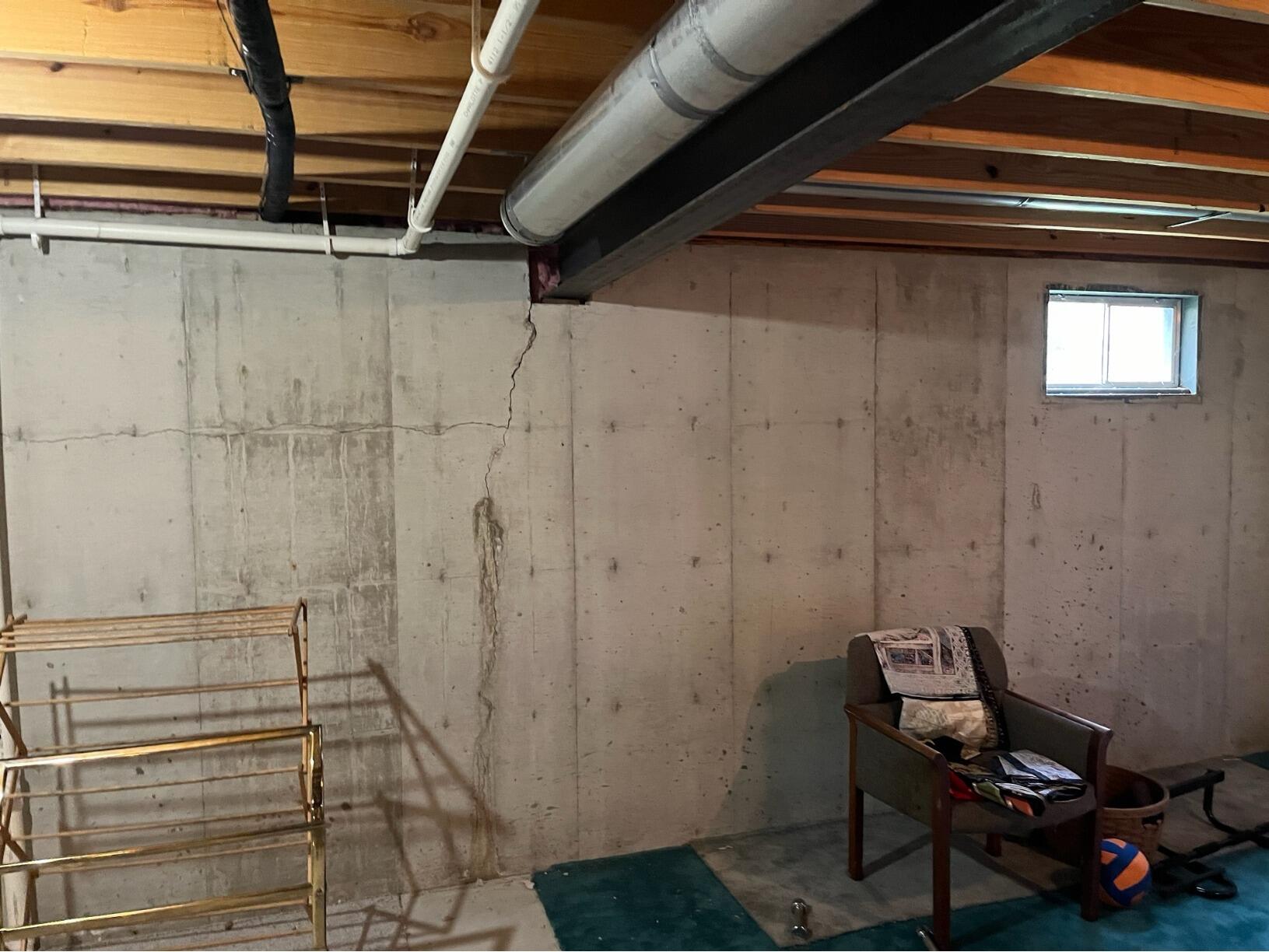
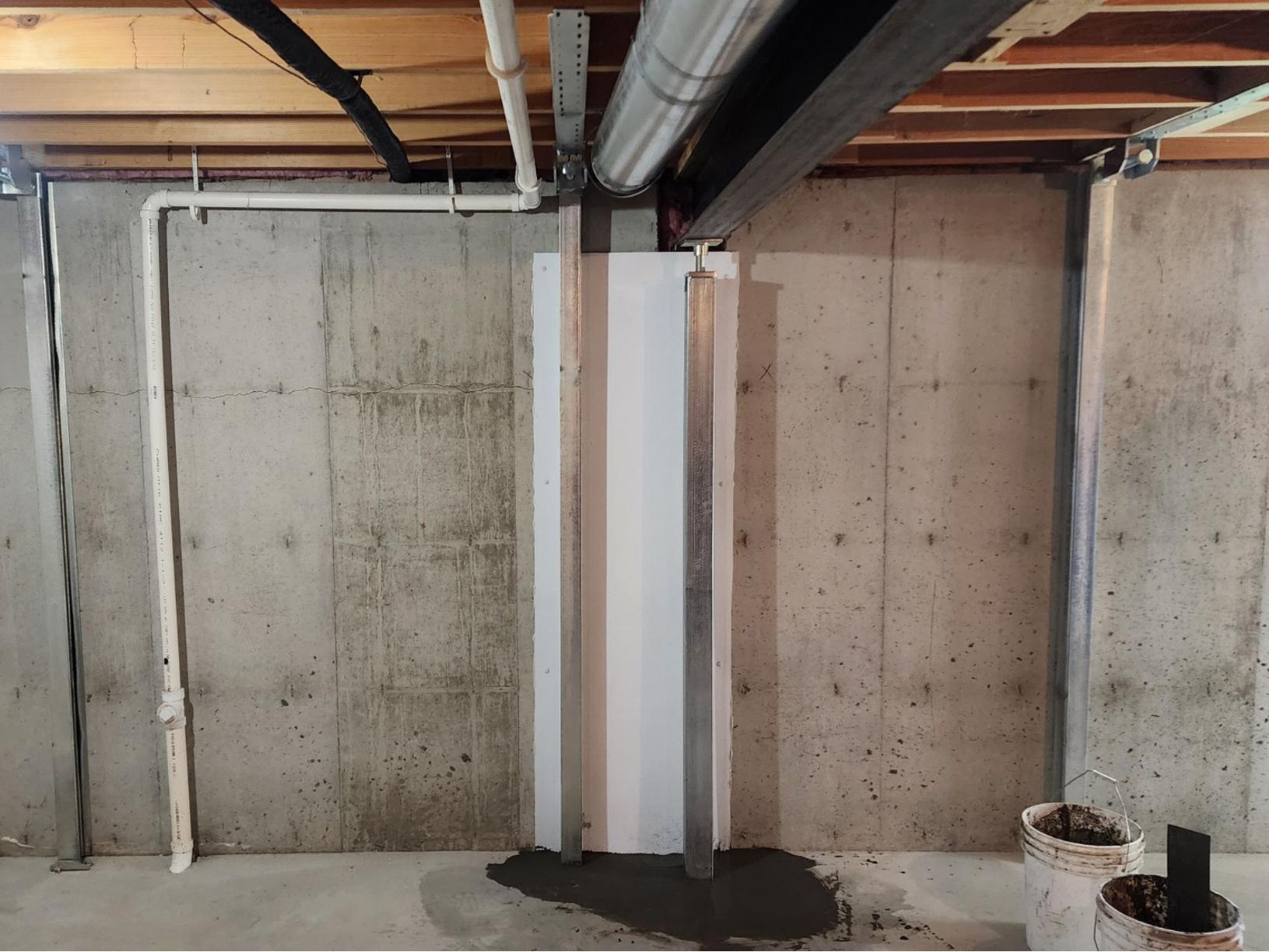
This homeowner in Burlington, KY, had a leaky crack in their foundation and some sagging floor boards above their basement. As it turns out, the crack appeared due to hydrostatic pressure pressing the wall inwards and the floorboards sank due to a failing main beam. We first sealed the leaky crack by using our FlexiSpan system. This required us to chip and clean out the crack, dig a trench at the base of the crack, apply a layer of epoxy to the crack, run a foam strip over the first layer of epoxy down into the trench, apply a final layer of epoxy, fill the trench with gravel, cover the top of the trench with a fresh concrete layer, and apply a BrightWall panel over the entire system. To stabilize the lateral movement of the wall we braced the wall with our PowerBrace beams. To stabilize the floor boards, we installed a SmartJack post underneath the sagging part of the main beam right near the crack repair.
Foundation Repair Company in Cleves, Ohio
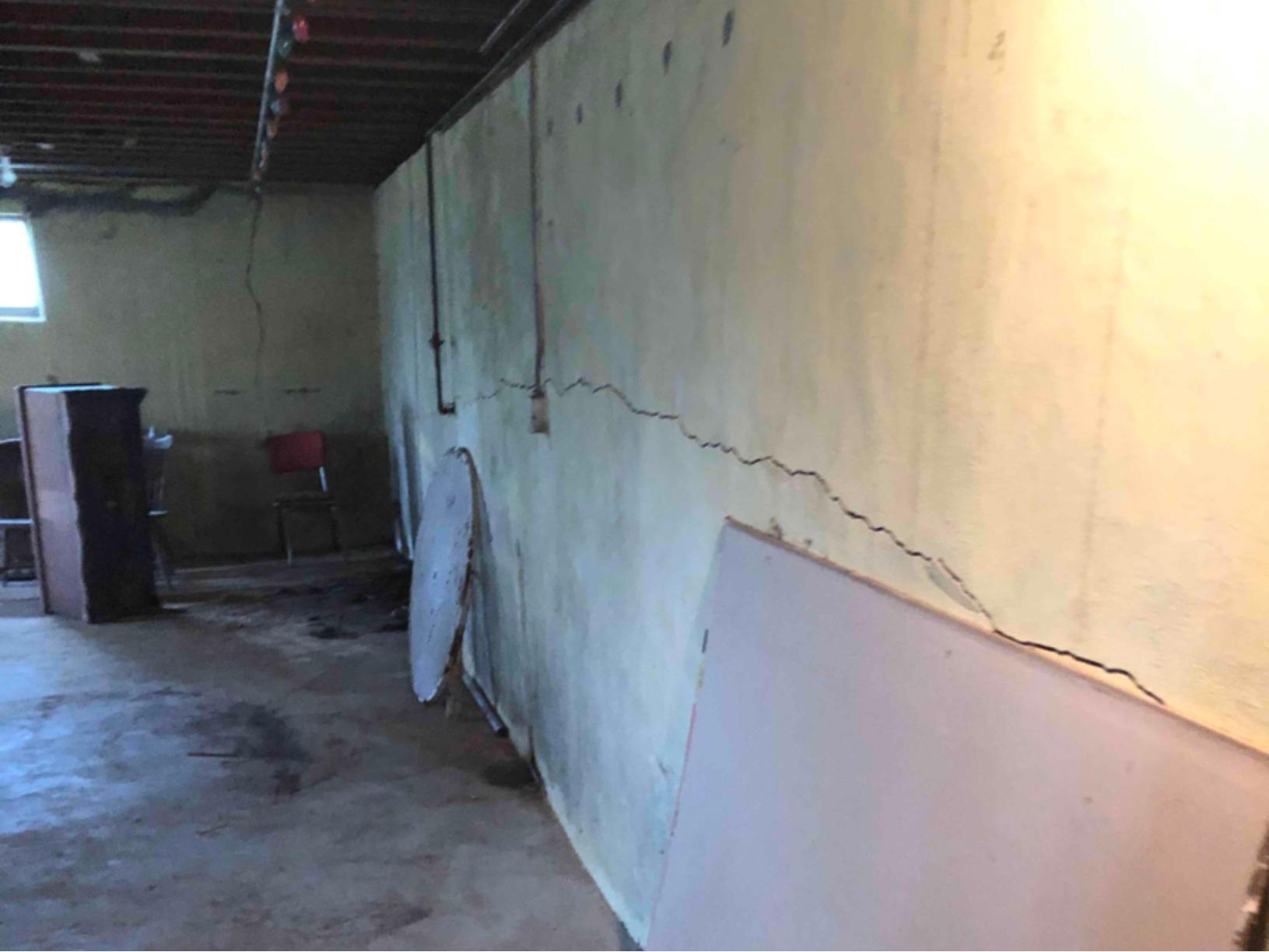
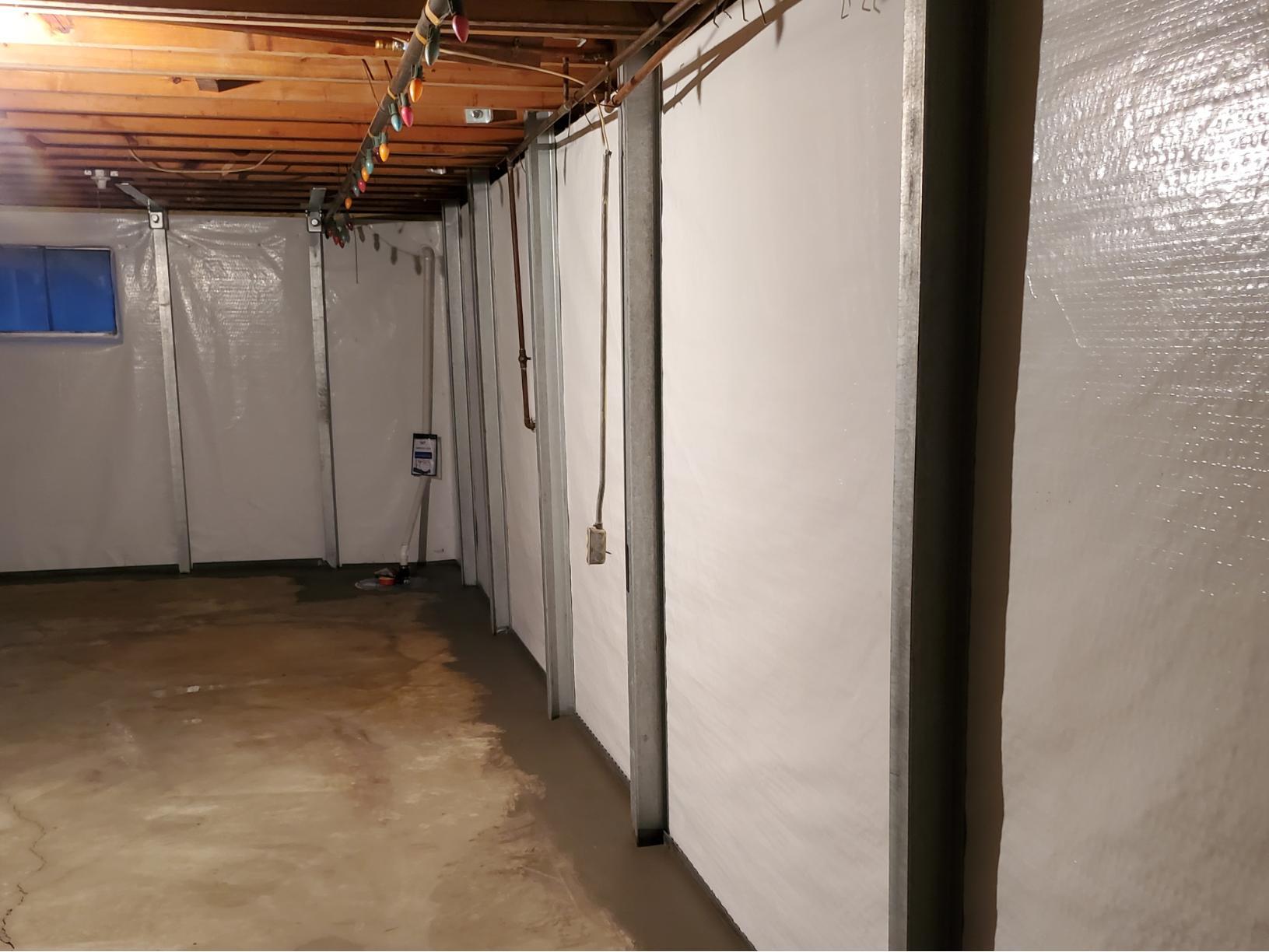
This poured foundation in Cleves, OH, was caving inwards, causing horizontal cracks to form. This foundation was also leaking due to massive amounts of hydrostatic pressure weighing in on the basement from outside the foundation in the expansive clay soil. We repaired this basement by waterproofing it with a sump pump, interior drainage tile, and a vapor barrier. We then stabilized the bowing walls with our PowerBrace system. The result is a stable, dry, fresh basement.
