
Before & After Photos
Click on a photo to enlarge.
Basement Workspace Waterproofed In Grand Rapids, MI


This commercial building was turned into a home consisting of a basement workspace however water was starting to leak in. We were able to help with a WaterGuard perimeter drainage system. In this finished space, some of the wood was removed from the wall to expose the framing. A small amount of the framing was cut out from the base of the wall to allow for concrete to be broken up. WaterGuard could be placed right on the home's footing, stone could be filled in around it, and then the concrete replaced. Now the framing could be repaired, wood placed back on the wall, and cabinets put back in place. This was a lot of work and was a bit of an inconvenience I'm sure, but when building materials are being ruined and the homeowner is spending his time cleaning up moisture with a wet vac rather than working, it becomes totally worth it for that extra time, money, and peace of mind that you were missing before. This workspace is now safe from flooding.
Wet Basement in Grand Rapids, MI


The easiest way to waterproof a basement is from the inside. These homeowners has just bought the home and noticed in the spring when it rains they get a wet basement. The water was coming in through the walls which were poured concrete, a very porous material. We knew the best solution to this wet basement was our WaterGuard system.
Over the years contractors have been installing systems similair to WaterGuard but they just don't work as well. We have designed our system to sit above the footing rather than alongside it so mud, dirt and other debris can't get in and clog it. It also is built with a 3/8 inch gap between the floor and the wall to drain any water that comes in through the walls. The drain outlet to the sump is also large to allow all of the water to properly drain and exit your basement.
Waterproofing Historic Grand Rapids, MI Crawl Space Brings Owner Relief
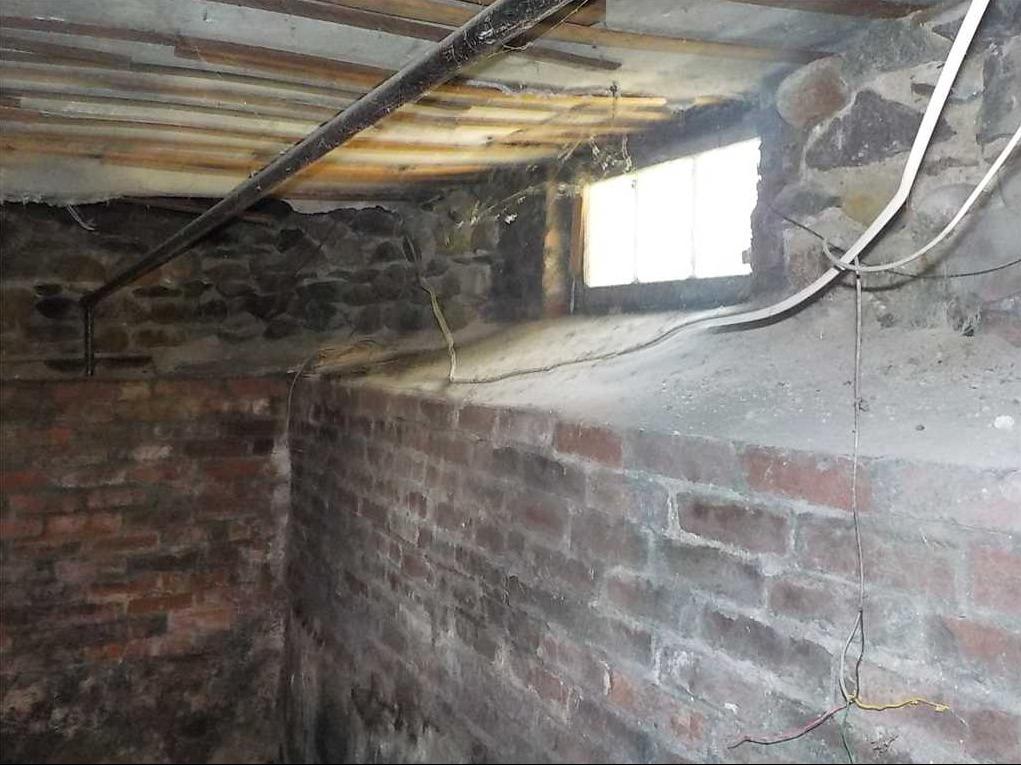
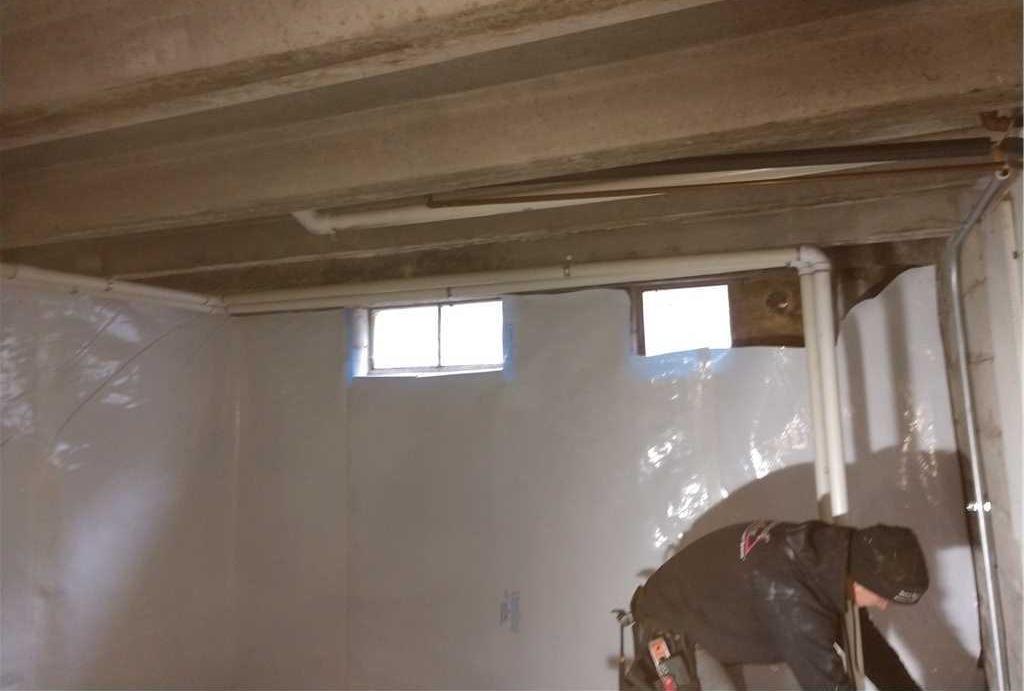
Water had been entering this historic Grand Rapids, MI home through the crawl space for years. This older crawl space was covered in field stones that no doubt allowed moisture to seep in causing mold, rot and robbed the home of any heat insulation. The constant moisture also contributed to severe structural issues in this home. We installed our CleanSpace crawl space liner which is a tough 20 mil, seven-ply barrier designed to permanently keep away any moisture and cold air. It is placed over the walls and floor and creates a constant blockage to anything outside of it. We also installed a TripleSafe sump pump to keep the crawl space dry in the future.
CleanSpace Restores Kentwood, MI Crawl Space


The customer called complaining of dampness and a musty smell at the point where the basement and crawlspace joined. The basement had flooded back in 2009 and since then had been leaking.
We installed a new SmartDrain sump pump and WaterGuard to drain the water properly from the basement, then encapsulated the crawl space using our CleanSpace system with drainage matting. A SaniDry dehumidifier finished the job. Now the basement AND crawl space are dry and usable spaces.
Creative Use of a TrenchDrain in Grand Rapids, MI


Our system design specialist came up with a unique use of one of our products to help out this Grand Rapids, MI customer. The home had a long driveway that was mostly asphalt but turned to concrete just in front of the garage. A slope in the ground where the concrete and asphalt connected would regularly fill with rain after storms and the resulting standing water was starting to erode both pavements. Our TrenchDrain grated pipe system is usually used outside of doorways and entrances to catch water before it flows into the home, but to keep this driveway serviceable, our system design specialist drew up a plan for a TrenchDrain to be placed in the dip of the asphalt. As you can see in the after photo, the drain spans the length of the driveway and will capture water any water that builds up in the trench. Not pictured is the discharge line that was also installed and will lead the rain water to a distantly placed lawn outlet. Water build up won’t be a problem for this driveway again.
