Before & After Photos
Click on a photo to enlarge.
FlexiSpan Replaces Rotting Drywall in Georgetown Township


When wall starts to leak, it can mean a big mess for your basement - especially if your drywall also begins to rot. That’s why this Georgetown Township, MI customer immediately removed the affected drywall and gave us a call. He had worked with us a few months back, so he was familiar and comfortable with our services. For small wall cracks like these, our crews use FlexiSpan – a two-layer polymer sealant. While one layer plugs the cracks, the other provides a drainage route for any water that does leak through. The owner won’t have to worry about that seepage puddling on his basement floor, though. Below the wall, a drainage system was also installed into the foundation floor to catch any leaking water. Rotting drywall will no longer be a problem in this basement.
Egress Window Installation in Jenison, MI


This customer has a partially finished basement. Not only do building codes require an additional exit besides the door, but they require an exit that you can actually fit through. These windows are large enough to be an emergency exit and also add to the nice and finished look of the basement. In addition, it allows more light to enter the basement, making it a more comfortable living space and not feel like a dungeon. Egress windows are sealed and watertight so that they will not leak. This eases the mind of homeowners so that they will not have to worry about ruined furniture or carpet.
Safety Upgrades for Jenison, MI, Homeowner


Michelle recently moved into a new home and realized it didn't have basement windows. For safety reasons, this was concerning, so she researched her options and called Ayers for help. We sent a team of experts to her home to evaluate and recommend a solution. They suggested installing an egress window to provide a safe and quick escape during an emergency. Egress windows are designed to withstand pressure from dirt and water, include stair steps for easy evacuation, and the polycarbonate safety cover reduces surface falls. Michelle loves her new plan!
Crawl Space Encapsulation in Three Rivers, MI


We received a call from this customer about his rental property. He was interested in having his crawl space encapsulated. There was no system in place at the time, so the crawl space was left vulnerable to the outside world and all the problems that come along with it. Not to mention, a dirt crawl space in the basement can be a bit of an eyesore.
The goal of crawl space encapsulation is to create a barrier between the space and all things that would do it harm, specifically moisture and mold. Both water vapor and ground water can pass through exposed earth and into your crawl space. The added moisture will hang around your home, raise humidity, and then invite mold to join. To protect this crawl space, the team used our CleanSpace system. The system installed used two products: our drainage matting and the CleanSpace vapor barrier. The matting prevents water from becoming trapped in the space, while the durable vapor barrier keeps water vapor and humidity from entering.
Six New Windows for a Three Rivers, MI Basement
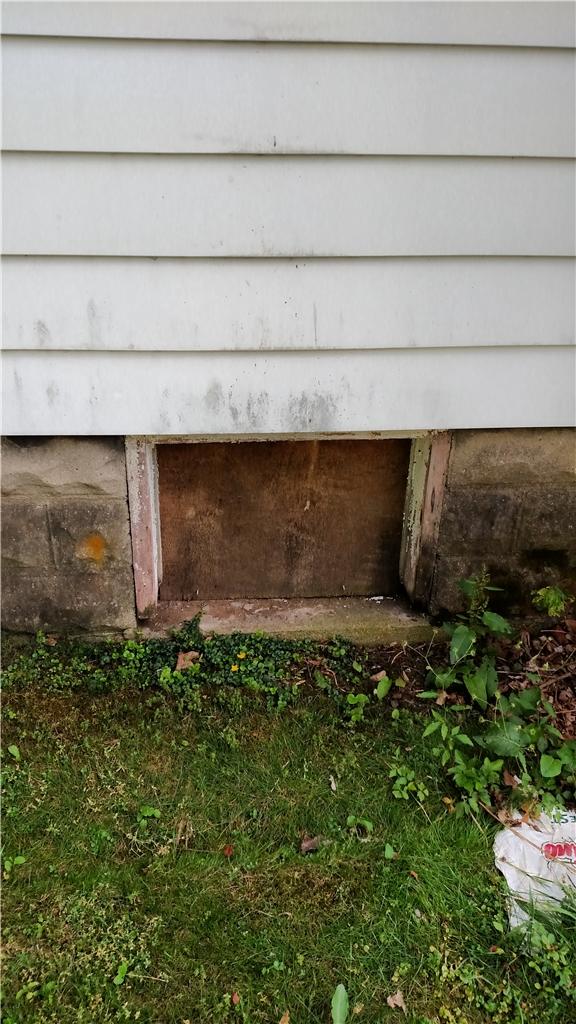

As you can see in the before photo, the windows of this basement hadn’t seen a lot of use over the past few years. In total, there were 6 basement windows and they were all boarded up in a similar fashion as this one. When the homeowners called us up to repair their foundation, they figured it was also a good time to replace their old worn out windows.
The replacement windows in the after photo are what we call our egress window system. The real benefit of the system are the wells that come accompany the windows. Once placed into excavated portions of soil, the inorganic, waterproof wells will shield the newly installed windows from possible leaks and any decay caused by ground water. The owners now have windows they can see out of, and they’re even protected.
